

Top Holiday and Year-End Digital Marketing Trends for Businesses
Holiday digital marketing in 2025 is a convergence of commerce, attention and data. Social commerce holidays compress discovery-to-purchase; intelligent retargeting recovers high-intent shoppers; influencer partnerships are engineered for conversion; and data-driven holiday campaigns personalise offers at scale. Senior leaders should prioritise a narrow set of commerce-first capabilities—shoppable creative, real-time personalization, attribution for short windows and margin-aware discounting—so the festive rush becomes a controlled growth engine rather than a cost centre.
Why these trends matter now
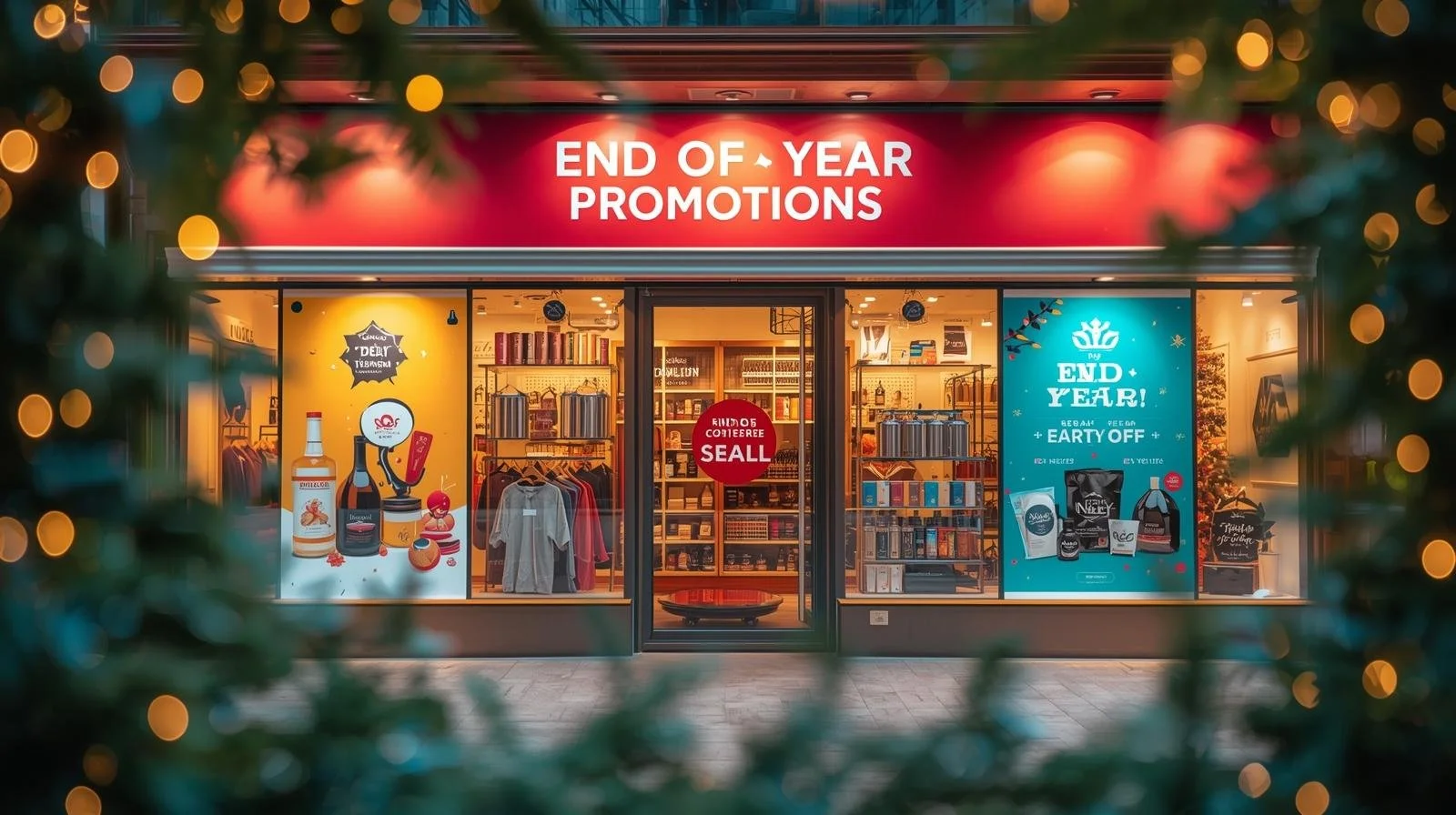
The end-of-year period concentrates buying intent into a short, noisy timeframe where speed and relevance decide winners. Platforms increasingly reward formats that keep consumers on-site, so shoppable posts and in-app checkout convert attention that would previously have dropped in the gap between discovery and cart. With first‑party data becoming the primary signal for personalization, brands that stitch behavioural signals to creative and commerce endpoints will win higher conversion and better long-term value. At the same time, rising acquisition costs make it essential to recover leaked demand via smart retargeting and conversion-focused influencer mechanics.
Core trend: social commerce is the new holiday storefront
Short-form video and shoppable posts are the primary discovery mechanism for many holiday shoppers in 2025. Creative that demonstrates product use in 10–20 seconds and links directly to a purchase path shortens the funnel dramatically. For businesses, the implication is twofold: craft short, commerce-first videos tailored to platform mechanics; and remove friction by offering in-app checkout or one-click landing pages optimised for mobile. Treat social commerce holidays as a channel with direct ROI expectations rather than a purely brand channel, and price media and creator partnerships accordingly.
Smart retargeting and abandoned-cart recovery at scale
Retargeting remains one of the highest-yield tactics during holiday periods, but 2025 requires smarter orchestration. Leverage behavioural signals—dwell time on product pages, repeat SKU views, sequence of viewed bundle variants—to prioritise retargeting intensity and offer type. Use staged incentives that preserve margin: an initial reminder with social proof, a second touch with a small non-price incentive such as expedited shipping for a limited time, and a final recovery tied to a personalized bundle that improves AOV without blanket discounts. Integrate these flows with email, SMS and on-site overlays so messages feel coherent as the customer moves across touchpoints.
Influencer partnerships engineered for conversion
Influencer marketing holidays has shifted from reach-driven deals to performance-first partnerships. Select creators based on audience alignment and demonstrated conversion rates, not follower counts. Structure agreements around clear commerce mechanics: unique codes, affiliate links, and timed drops that synchronise with owned promotions. Co-create limited bundles or exclusive SKUs with creators to increase urgency and measurability. Smaller, trusted creators who drive intent in niche verticals often outperform broad-reach influencers for purchases that require trust or product demonstration.
Data-driven personalization and AI-driven orchestration
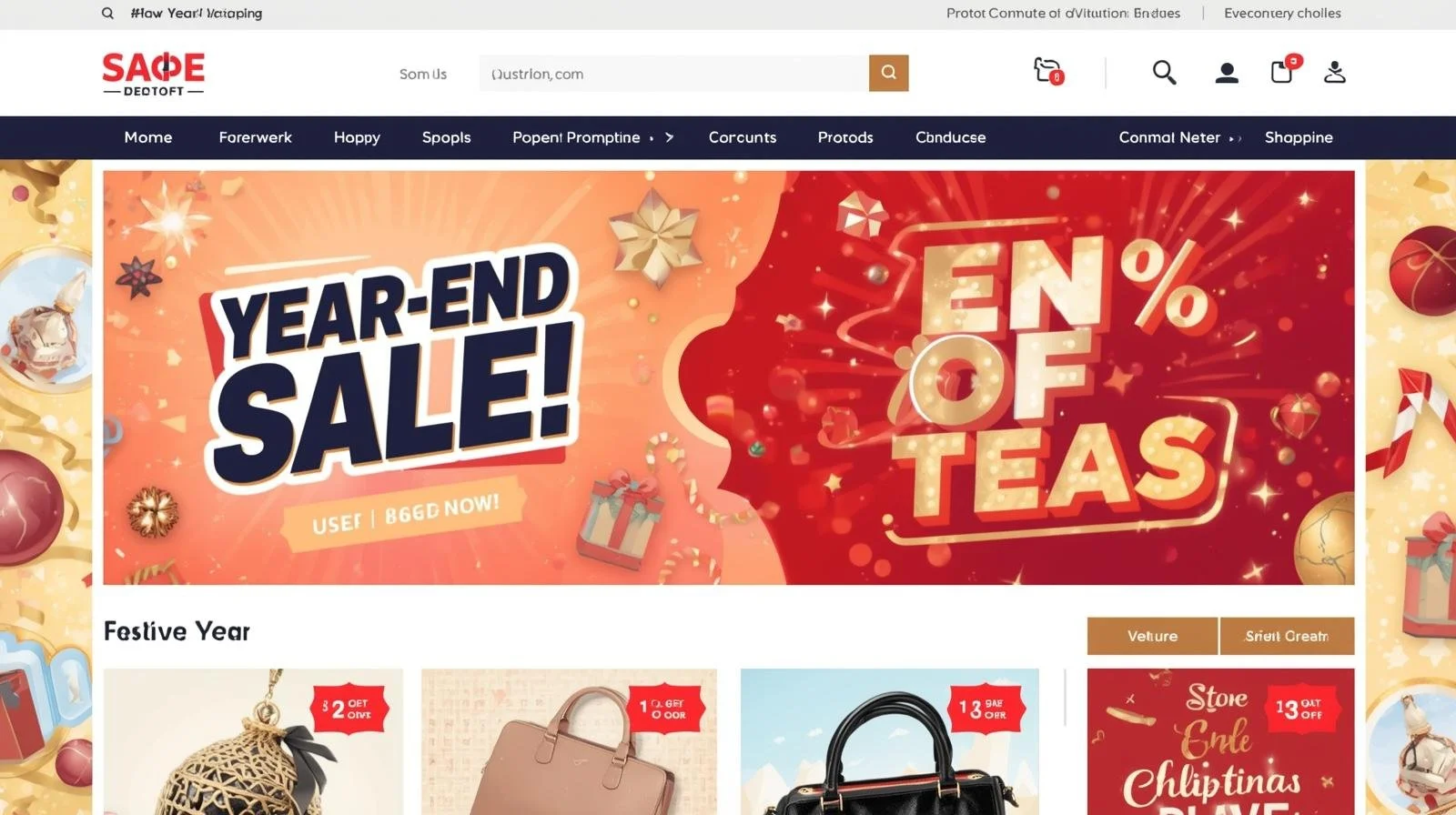
Data-driven holiday campaigns use first‑party signals to predict propensity and personalise creative, channel and offer. Deploy propensity models that decide whether a customer sees a gift-bundle video, a price-led offer, or an accessory cross-sell. Automate dynamic creative that swaps thumbnails, CTAs and short caption variants based on predicted responsiveness. Keep guardrails for brand voice and margin: personalization should never expose inconsistent claims or cascade discounts across channels. Post-season, retrain models on purchase and return patterns so the next campaign improves quickly.
Sequencing, measurement and governance for peak windows
Sequence matters more than volume. Start with seeded social proof and influencer drops to build attention, then open paid amplification to scale proven creative, and finally deploy retargeting with personalized offers to capture late intent. Measurement must be real‑time and tied to commerce: view‑to‑purchase conversion, revenue per impression, incremental AOV from bundles, and recovery rate for abandoned carts are the core indicators. Establish a small cross-functional control room that monitors performance hourly during peak hours, empowers rapid reallocation of spend, and enforces margin rules so short-term growth does not sacrifice profitability.
Practical tech and vendor considerations
Choose tools that enable rapid creative varianting, support shoppable posts or direct checkout, and expose explainable AI outputs for propensity scoring. Your stack should include a creative library with templating, a personalization engine that accepts first‑party signals, a commerce layer with rapid cart creation, and an analytics layer that stitches social, paid and on‑site events. Avoid vendor complexity that requires long engineering cycles; favour solutions that produce measurable uplift within a single holiday cycle.
Example 8‑week readiness plan
Week 1: Executive alignment and objective setting; choose priority outcome (incremental revenue, new customers, AOV).
Week 2–3: Produce commerce-first short videos and modular creative packs for top SKUs; set up shoppable endpoints and attribution tags. Week 4: Train and validate propensity segments on recent first‑party data; map personalized offer rules and margin gates.
Week 5–6: Seed influencer partnerships and run small paid tests to identify top-performing creative variants.
Week 7: Scale amplification on winners and switch on staged retargeting and abandoned-cart recovery flows.
Week 8: Peak monitoring and rapid optimisation; capture post-event signals for model retraining and roadmap for Q1.
KPIs leaders must watch
Prioritise commerce-focused metrics during the holiday window: view‑to‑purchase conversion for video, incremental revenue from social commerce, abandoned-cart recovery rate and average order value uplift from bundles. Operational KPIs should include time from brief to live creative, percentage of traffic served by personalized creative, and model refresh cadence. Use these metrics together to judge both immediate profitability and learning that can be invested into future acquisition and retention.
Turning seasonal windows into ongoing advantage
Holiday and year‑end marketing in 2025 rewards businesses that marry fast, commerce-first creative with data-driven personalization and disciplined measurement. Social commerce, smart retargeting, performance-focused influencer deals and AI orchestration are not isolated tactics but parts of a coherent system. Build a compact team, choose tools that deliver rapid value, protect margin with explicit rules, and treat the holiday cycle as a laboratory for sustainable growth rather than a one-off spending sprint. Done well, the festive season becomes the start of a stronger acquisition engine and higher-value customer relationships for 2026.
