

Year-End B2B PR Tactics to Secure 2026 Budget and Partnerships
Year‑end B2B PR is a strategic lever for closing the fiscal narrative and opening the next year’s opportunities. In 2025, procurement committees and budget holders listen to evidence: clear case studies, quantified outcomes and credible third‑party validation. For B2B leaders—CEOs, founders, heads of sales and marketing—the immediate objective is simple: turn 2025 achievements into trust signals that generate 2026 budget allocations, pilot partnerships and shortlist status. This article sets out practical, revenue‑focused year‑end B2B PR tactics that combine thought leadership year‑end positioning, targeted B2B media outreach and partnership‑building PR to convert visibility into tangible commercial outcomes.
Why year‑end PR matters for budgets and partnerships

Finance teams and procurement panels plan with evidence. A quarter or a month of strong press noise does not by itself unlock budget; demonstrable use cases, referenced ROI and partner endorsements do. Year‑end timelines compress decision windows for 2026 planning: stakeholders want to see what you delivered this year and how you will drive immediate impact next year. Thought leadership year‑end pieces that summarise lessons learned, paired with tight case studies and testimonials, alter perceptions in buying committees. Combined with focused B2B media outreach and partnership building PR, these assets make your organisation an attractive candidate for pilots, co‑ funded initiatives and early budget lines in Q1.
Three strategic actions for leadership
Action one: harvest and package outcome‑led case studies now. Begin by selecting three to five customer stories that map directly to procurement questions you encounter: time‑to‑value, integration effort, security posture, or cost savings. Each case study must include a clear before/after metric, a short customer testimonial suitable for press use, and a compact executive summary that sales and partner teams can use as a leave‑behind. Produce two formats for each story: a trade/analyst brief that emphasises technical validation and a boardroom one‑pager that highlights commercial impact. Thought leadership year‑end articles should reference these case studies, converting client success into a narrative about predictable outcomes the organisation can deliver in 2026.
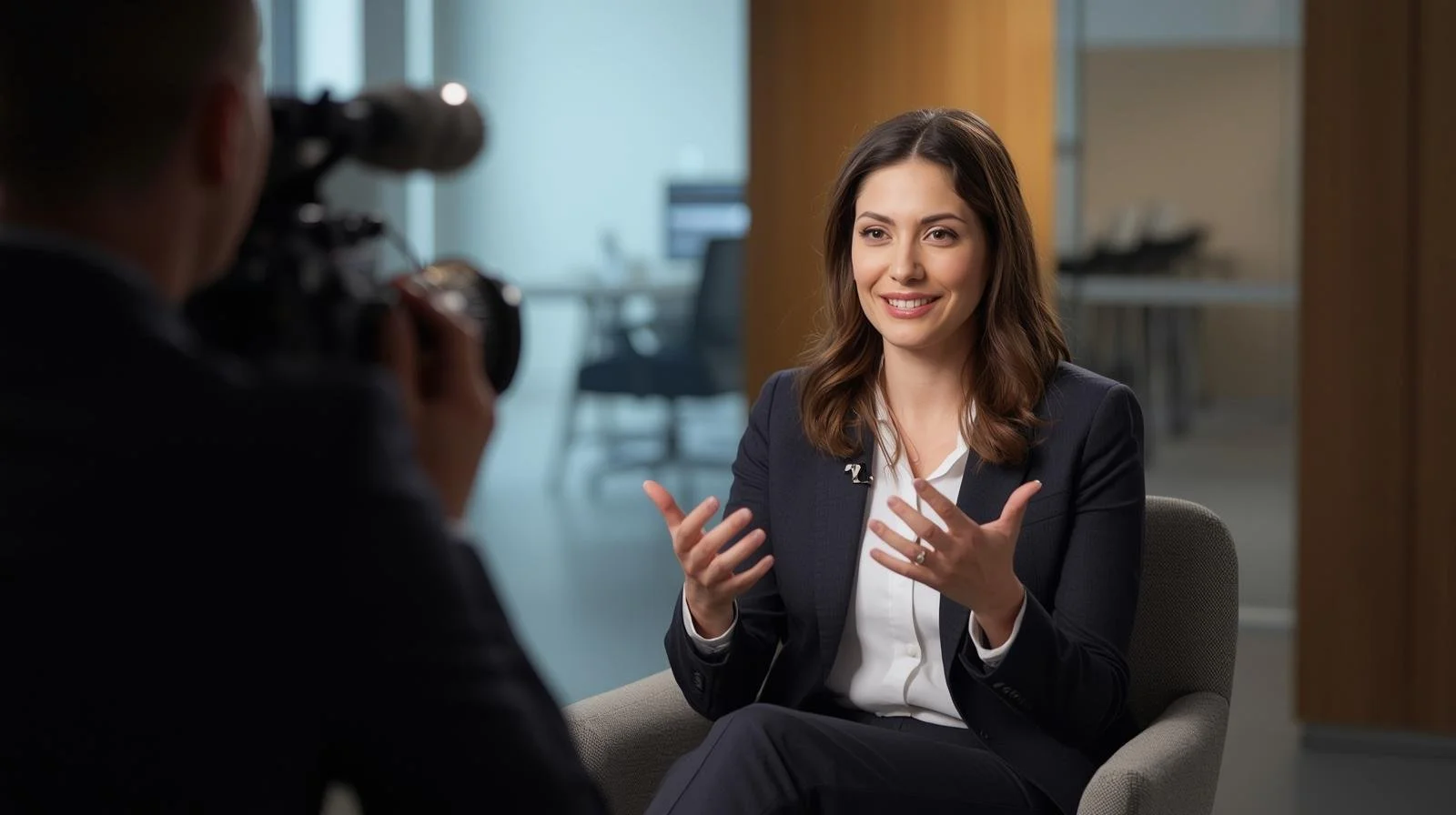
Action two: run a targeted B2B media outreach sprint focused on buyer ecosystems. Identify the small set of trade publications, analyst newsletters, procurement forums and vertical outlets that matter to your ideal partners and buyers. Craft tailored pitches that link your case studies to sector trends and budget cycles, and offer exclusive embargoed briefings to senior reporters and analysts who influence procurement committees. Use the outreach to seed partnership conversations: propose co‑authored research with an analyst, offer a retailer or systems integrator an early pilot, or invite a strategic customer to participate in a joint case study. This kind of partnership building PR converts earned visibility into collaborative commercial steps that are often funded or co‑sponsored in the first quarter.
Action three: design a year‑end nurture and conversion programme for warm leads. Deploy a concise sequence that blends personalised email, a high‑impact one‑page case study, a short video testimonial and an invitation to a closed Q1 planning roundtable. Use attribution tags in press materials and outreach so every inbound contact is traced back to the campaign asset that prompted interest. Ensure sales teams commit to a tight SLA for following up PR‑generated leads and equip them with a PR conversation kit that summarises the case studies, pricing guardrails for pilots and suggested next steps. When PR is directly wired to sales follow‑up and partner outreach, it becomes an engine for concrete pipeline rather than a reputational instrument alone.
Example programme: a 10‑week year‑end PR sprint that links roadmap, checklist and KPIs
Overview
This sprint turns recent wins into funded momentum for 2026 by sequencing asset creation, outreach and conversion activity so leadership can monitor and act quickly.
Roadmap
Week one is governance: secure executive approval, nominate a sponsor accountable for PR→sales outcomes and identify the target buyer ecosystems and partner categories. Weeks two to four focus on asset production: convert customer interviews into three tight case studies, produce a short testimonial video per case, and draft a thought leadership year‑end piece that frames your company as a partner for 2026. Weeks five to seven run the outreach sprint: exclusive analyst briefings, targeted trade placements and partner invitations for co‑pilot conversations. Weeks eight to ten convert: follow up inbound interest with the nurture sequence, host a virtual planning roundtable for high‑value prospects, and report weekly on qualified meetings, pilot commitments and early budget signals.
Checklist
Leadership must approve the list of case studies, the thought leadership angle and a modest outreach budget for targeted placements and analyst fees. Assign a senior sponsor who can sign off pilot commercial terms and a sales liaison who will guarantee the SLAs for PR lead follow‑up. Require that every outbound PR asset contains attribution tags and a clear next step (book a pilot, request a demo, join a planning roundtable).
KPI set
Prioritise conversion metrics. Track qualified meetings attributable to PR, pilots committed or under negotiation, and early budget commitments signalled by procurement teams. Supplement with quality metrics: number of analyst mentions, trade placements in target outlets, and partner expressions of interest (MOUs or co‑funding enquiries). Operational KPIs include time from press interest to scheduled sales follow‑up and percentage of inbound leads with a traceable attribution tag. These measures give leadership a clear line of sight from editorial activity to commercial opportunity.
Practical media relations and content design guidance
Write case studies for procurement audiences: open with the problem statement in procurement language, show the metrics that matter to buyers, and end with actionable steps for pilot engagement. Keep press releases concise and outcome‑led; lead with the commercial result and include a clear call to action for procurement or partner enquiries. For thought leadership year‑end pieces, combine data from your case studies with market insights to create a persuasive argument about why your approach will be essential to 2026 buyers. Use short video testimonials to humanise claims—buyers trust peers more than marketing—and embed these in outreach to fuel higher meeting acceptance rates.
For B2B media outreach, prioritise exclusives and analyst briefings over wide distribution. Analysts amplify credibility; an analyst quote in a trade feature accelerates procurement confidence. When engaging potential partners, frame the conversation around mutual commercial outcomes and propose specific, time‑bounded pilots with shared measurement criteria.
Governance, tech and vendor notes
Ensure your CRM captures PR attribution and that marketing automation sequences are ready to deliver the nurture kit. Use simple UTM and attribution tags in press materials and influencer assets so every inbound contact has context. When contracting with PR or analyst firms, define deliverables in terms of meetings and analyst briefings rather than impressions. If you use a video production partner for testimonials, brief them to capture concise, procurement‑facing soundbites that can be edited into 30‑ to 60‑second assets.
What success looks like
Success is measurable and immediate: signed pilots, placed budget lines for Q1, and partnerships that accelerate adoption. The best year‑end B2B PR programmes convert narrative into pipeline by packaging outcomes, targeting the right media and partners, and ensuring sales follow‑up is fast and informed. Leadership’s role is to fund the sprint, appoint accountable owners, and demand tight attribution so PR is judged by the opportunities it generates. Do this and your organisation enters 2026 not asking for budget, but already positioned as a partner with pilots and proposals in motion.
